The Life and Legacy of L.S.B. Leakey (1903–1972)
"I still often think in Kikuyu, and I dream in Kikuyu"
A Life Between Two Worlds
L.S.B. Leakey was more than a famous researcher. Specifically, he was a bridge between two very different worlds. He was born in 1903 in Kabete, Kenya, to missionary parents. Consequently, his first language was Gikuyu. This unique start in life allowed him to join the Mukanda age-grade as a full member.
While many know him for his work in Olduvai Gorge, his heart remained with the Agikuyu. In addition to his work in science, he spent years recording the laws and rituals of his childhood home. Because he was a native speaker, elders trusted him with their inner secrets. Therefore, he could write about Gikuyu culture with a level of detail that no other person could reach.
What made his work so special?
First, he understood the deep meaning behind the words used by elders.
Second, he lived the life of the people he wrote about in his books.
Third, he wanted to preserve African history for all future generations.
Furthermore, his life was full of great discoveries. Moreover, he served as a curator for many years. Indeed, his 3-volume set remains his most personal and detailed gift to Kenya. As a result, historians still use his books as the primary source for pre-colonial study. Today, you can own this legacy through our high-quality book sets.
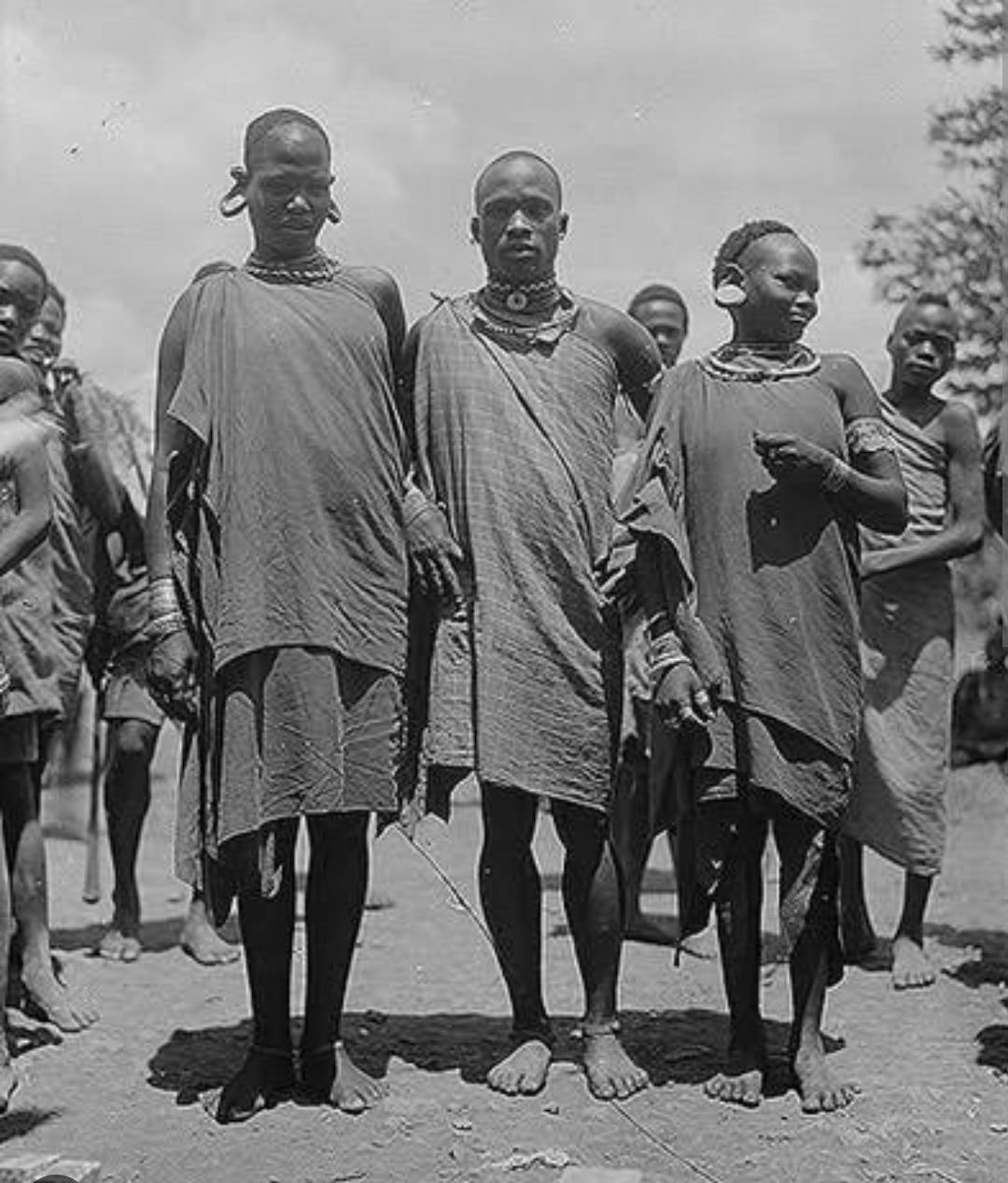
The Ethnographer: "The Southern Kikuyu"
While the world knows him as a fossil hunter, Leakey’s heart was in the preservation of heritage. In the late 1930s, sensing that traditional customs were being rapidly altered by colonial influence, he spent years interviewing elders to create a 650,000-word record.
His Achievement: He meticulously documented every aspect of Gikuyu life from land tenure and judicial “oaths” to the spiritual significance of the family unit.
The Bridge: He served as an invaluable intermediary between the Kikuyu elders and the British government during the Mau Mau Emergency, always advocating for the dignity of the community.
View his life’s work in the Southern Kikuyu Set here.
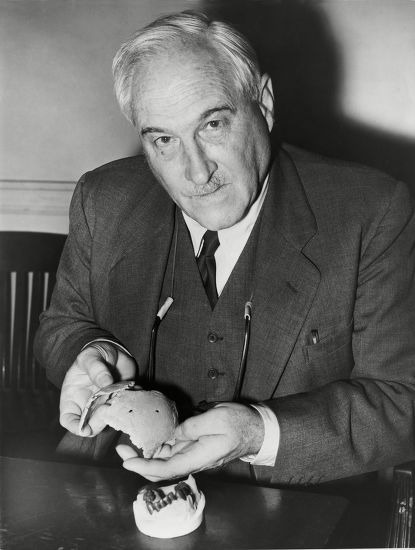
The Paleoanthropologist: Proving Africa is the Cradle of Humanity
Leakey was a maverick who challenged the scientific establishment. At a time when most scientists believed humans evolved in Asia, Leakey insisted on Africa.
Olduvai Gorge: Alongside his wife, Mary Leakey, he spent decades in the harsh terrain of Tanzania.
The Discoveries: In 1959, they discovered Zinjanthropus (now Paranthropus boisei), and later Homo habilis (“Handy Man”), proving that our ancestors were using tools in Africa nearly 2 million years ago.
The “Leakey Luck”: He had a legendary ability to find fossils where others found nothing, often credited to his “hunter’s eye” developed in the Kenyan bush.
Similarly, you can see his fossil discoveries at the National Museums of Kenya.
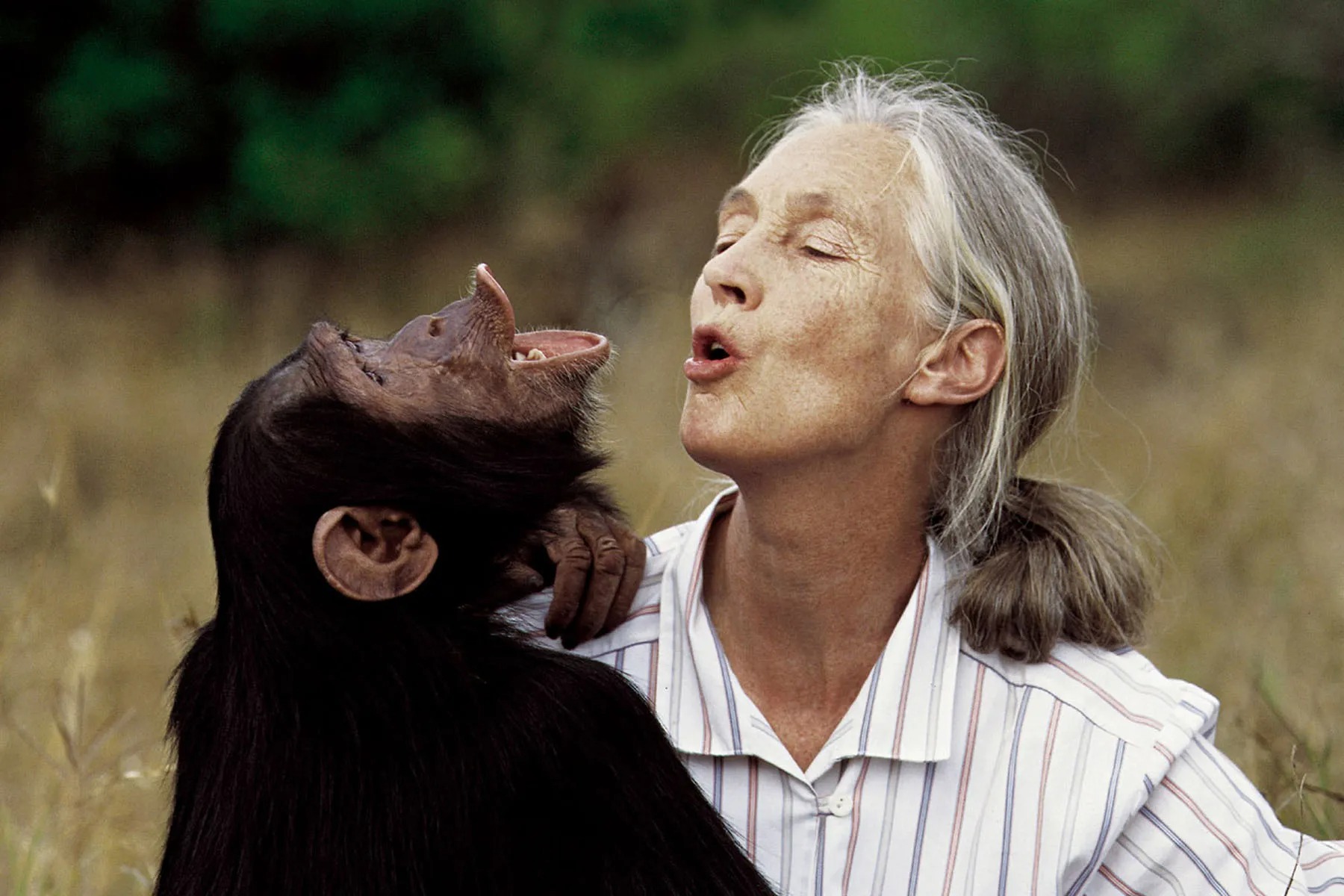
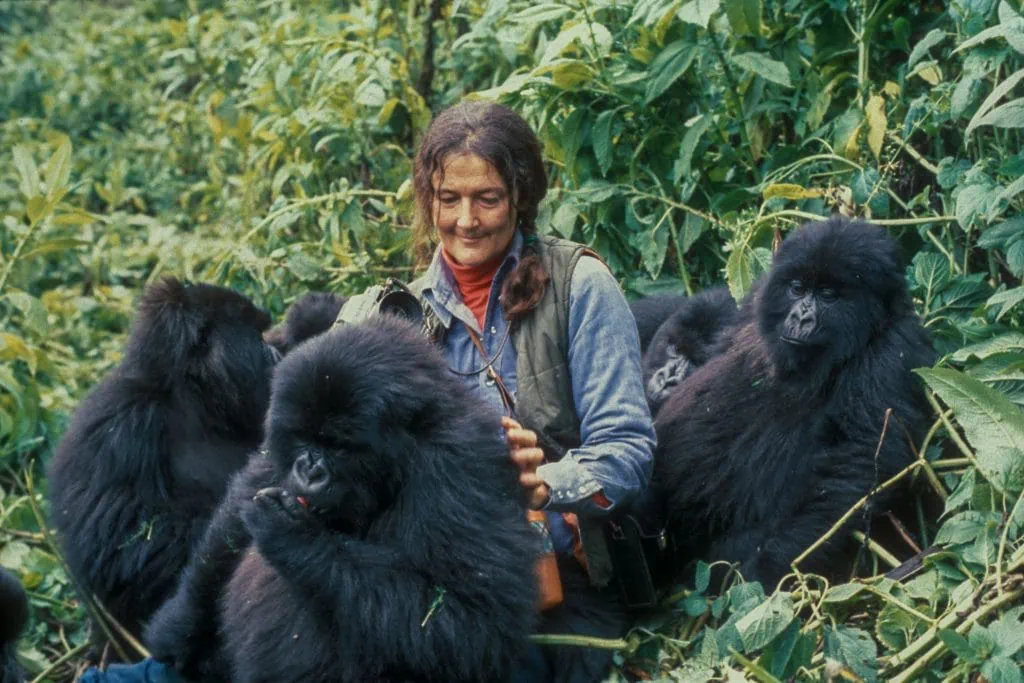
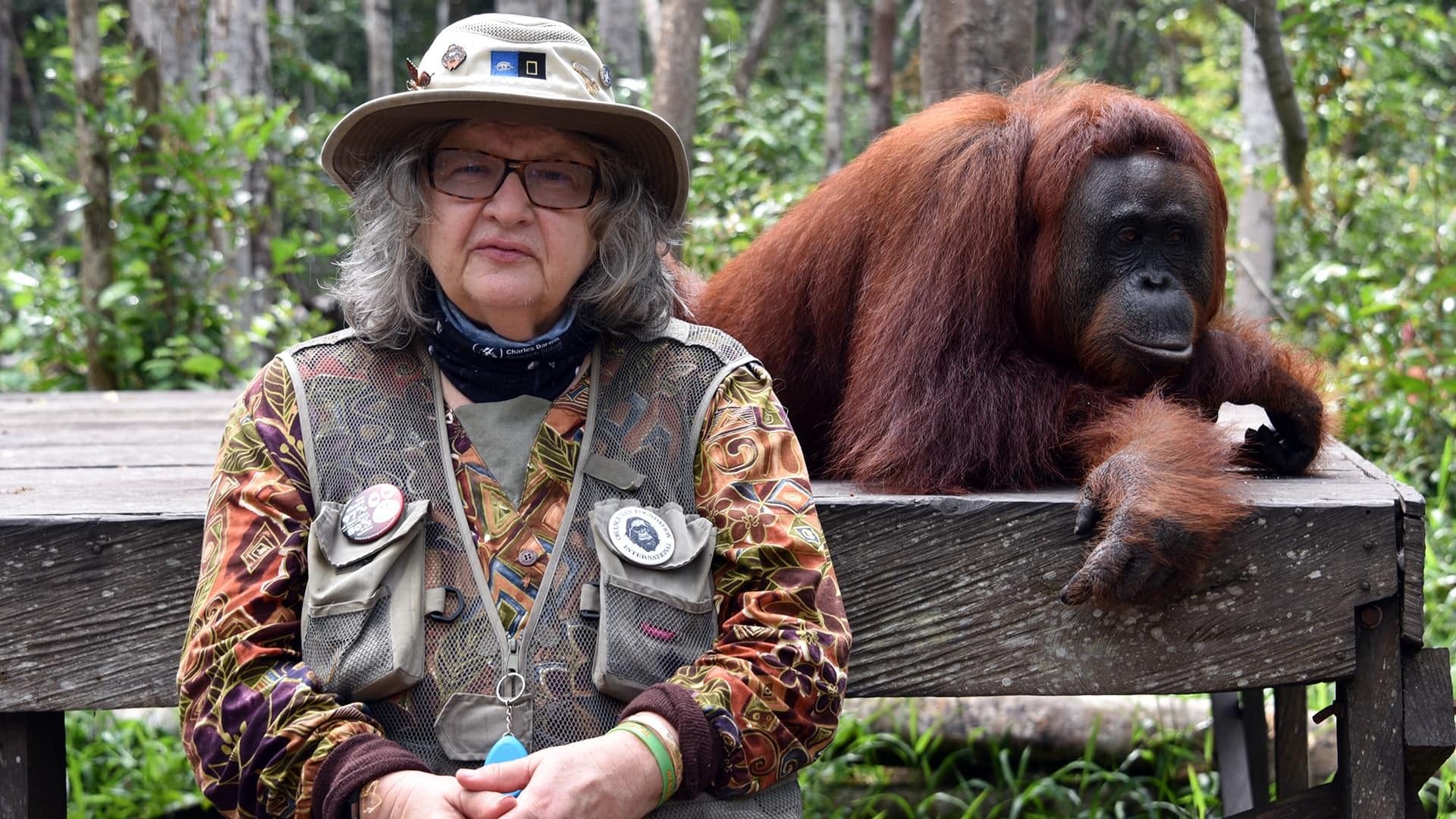
The Visionary: "Leakey’s Angels" (The Trimates)
Leakey believed that to understand our ancestors, we had to study our closest living relatives: the Great Apes. He hand-picked and mentored three women who became world icons:
Jane Goodall: Whom he sent to study chimpanzees in Gombe, Tanzania.
Dian Fossey: Whom he encouraged to study mountain gorillas in Rwanda.
Birutė Galdikas: Whom he sent to Borneo to study orangutans.
His philosophy: He intentionally chose women for these roles, believing they possessed the patience and empathy required for long-term wildlife observation.
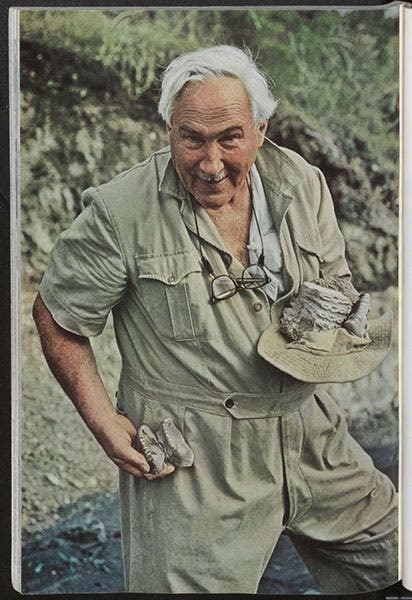
The Intelligence Officer & Detective
During World War II, Leakey’s deep knowledge of Kenya was put to use by British Intelligence.
Clandestine Networks: He used his childhood connections to build a network of scouts and informants.
The “Cultural Detective”: He often solved mysteries that baffled colonial officers from interpreting secret codes to explaining cultural “curses” that were affecting troop morale.
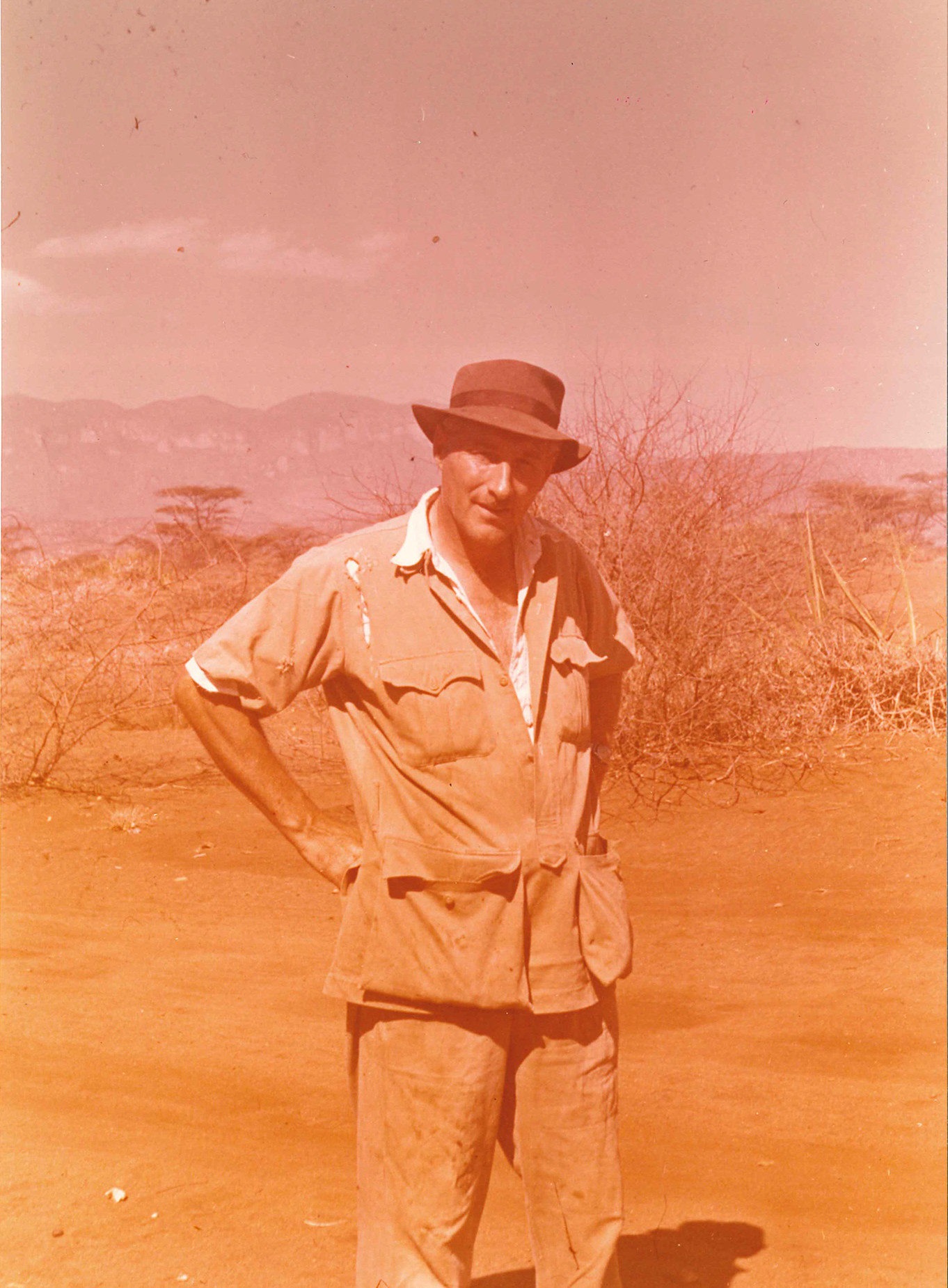
Honors and Recognition
Leakey’s work earned him the highest honors in science, including:
The Hubbard Medal from the National Geographic Society.
The Prestwich Medal from the Geological Society of London.
Founding of the Leakey Foundation: An organization that continues to fund human origins research to this day.